
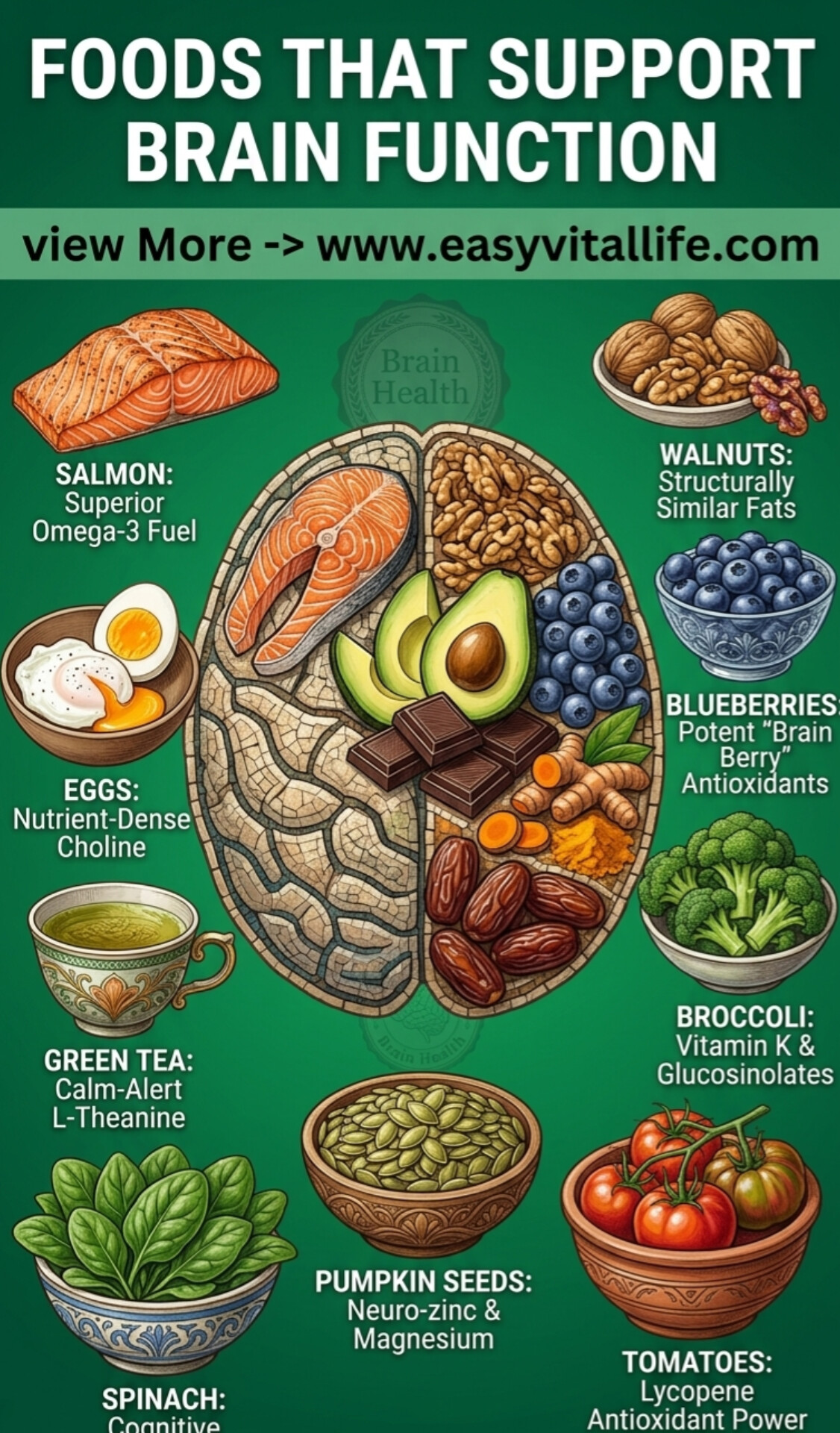
Foods That Support Brain Function: The Complete Nutritional Guide to Optimizing Cognitive Performance
Your brain is the most metabolically active organ in your body, consuming approximately twenty percent of your daily caloric intake despite representing only two percent of your body weight…. This extraordinary energy demand means that what you eat directly impacts your cognitive performance, memory retention, focus, mental clarity, and long-term brain health. The foods you choose today literally become the building blocks of your brain tomorrow. Understanding which foods provide superior brain support allows you to make dietary choices that enhance mental performance, protect against cognitive decline, and support lifelong neurological health.
The neuroscience of nutrition reveals that certain foods contain specific compounds that support brain structure, function, and protection. These compounds include omega-3 fatty acids that build brain cell membranes, antioxidants that protect against neurological damage, vitamins that support neurotransmitter production, and minerals that enable electrical signaling between neurons. When you strategically incorporate brain-supportive foods into your diet, you’re not just eating; you’re investing in cognitive performance today and neuroprotection for the future.
Salmon: The Superior Omega-3 Fuel for Brain Excellence
Salmon stands out as one of the most powerful brain-supporting foods available because of its exceptional omega-3 fatty acid content. These essential fats, particularly EPA and DHA, form the structural foundation of brain cell membranes and are crucial for optimal neurological function. Your brain is approximately sixty percent fat, and much of that fat comes from omega-3 fatty acids that must be obtained through dietary sources.
EPA, or eicosapentaenoic acid, supports mood regulation and reduces inflammation in the brain. DHA, or docosahexaenoic acid, is essential for cognitive function, learning capacity, and memory formation. Research consistently demonstrates that people consuming adequate omega-3 fatty acids show improved focus, better memory retention, and enhanced cognitive flexibility compared to those with insufficient intake.
Salmon provides approximately two grams of omega-3 fatty acids per three-ounce serving, making it an exceptionally efficient way to meet your brain’s omega-3 requirements. Consuming salmon two to three times weekly ensures your brain receives consistent nourishment from these critical fats. The high-quality protein in salmon also provides amino acids necessary for neurotransmitter production, the chemical messengers that enable communication between brain cells.
Incorporate salmon into your diet through grilled salmon fillets, salmon salads, baked salmon with vegetables, or smoked salmon added to breakfast eggs. The versatility of salmon makes it easy to consume regularly, ensuring your brain receives consistent omega-3 support.
Walnuts: Structurally Similar Brain Fats with Remarkable Benefits
Walnuts are nature’s most convenient plant-based source of omega-3 fatty acids, containing ALA, or alpha-linolenic acid, which your body converts to the brain-supporting EPA and DHA found in fish. Beyond their omega-3 content, walnuts contain polyphenols, powerful antioxidants that protect brain cells from oxidative stress and inflammation.
The structural similarity between walnuts and the human brain serves as a visual reminder of their cognitive benefits. Research demonstrates that regular walnut consumption supports memory function, enhances processing speed, and reduces age-related cognitive decline. People consuming walnuts regularly show improved performance on cognitive tests and demonstrate better brain health markers than those excluding walnuts from their diet.
Walnuts contain approximately two and a half grams of omega-3 fatty acids per one-ounce serving, along with magnesium, copper, and manganese, all essential for brain function. The polyphenol content in walnuts also supports healthy gut bacteria, which in turn produces compounds that benefit brain health through the gut-brain axis.
Consume one ounce of walnuts daily, either as a standalone snack, sprinkled on salads, added to oatmeal, or incorporated into smoothies. This simple daily habit provides consistent brain support while offering satisfying crunch and nutty flavor.
Eggs: Nutrient-Dense Brain Building Blocks with Choline
Eggs are among the most nutrient-dense foods available, providing complete protein, healthy fats, vitamins, and minerals all in a convenient package. Most importantly, eggs are one of the richest dietary sources of choline, a nutrient critical for brain development, memory formation, and cognitive function throughout your lifespan.
Choline is a precursor to acetylcholine, a neurotransmitter essential for memory and learning. Adequate choline intake during childhood supports brain development and cognitive capacity. Throughout adulthood, choline supports memory retention and recall. In aging adults, adequate choline intake has been associated with better cognitive function and reduced risk of cognitive decline.
The yolk of an egg contains approximately 147 milligrams of choline, making it a superior source of this critical nutrient. Eggs also provide lutein and zeaxanthin, antioxidants that protect the eyes and support the visual processing centers of the brain. The high-quality protein in eggs provides amino acids necessary for neurotransmitter synthesis.
Consume one to three eggs daily, prepared however you prefer. Whether boiled, scrambled, fried, or incorporated into omelets with vegetables, eggs provide consistent choline and nutrient support for brain function.
Blueberries: The Potent Brain Protection Berry with Antioxidant Power
Blueberries earn their reputation as a superfood for the brain through their exceptional antioxidant content. These berries contain anthocyanins, flavonoids that penetrate the blood-brain barrier and directly protect brain cells from oxidative damage and inflammation. The antioxidant power of blueberries is so significant that research shows they can reverse age-related cognitive decline in animal models.
Studies demonstrate that people consuming blueberries regularly show improved memory, enhanced cognitive processing speed, and better performance on mental tasks compared to those not consuming blueberries. The anthocyanins in blueberries reduce inflammation in the brain, a factor associated with cognitive decline and neurodegenerative conditions. Regular blueberry consumption supports neuroplasticity, your brain’s ability to form new neural connections and adapt throughout life.
Blueberries also contain resveratrol, another powerful antioxidant that crosses the blood-brain barrier and provides neuroprotection. The vitamin C and vitamin K content further supports brain health and cognitive function. A single serving of blueberries provides comprehensive antioxidant support targeting multiple pathways of brain protection.
Consume one cup of fresh blueberries daily, or approximately one-half cup of frozen blueberries. Add them to breakfast oatmeal, yogurt, smoothies, or consume them fresh as a snack. This simple daily habit provides profound brain protection over time.
Avocado: Brain Health Supporting Healthy Fats and Nutrients
Avocados provide monounsaturated fats that support healthy blood flow to the brain and protect the cardiovascular system. Brain function depends critically on adequate blood flow, which delivers oxygen and nutrients while removing metabolic waste. Avocados support the cardiovascular system through their potassium and magnesium content, both essential for healthy blood pressure and optimal circulation.
Beyond their fat content, avocados provide lutein, an antioxidant that accumulates in brain tissue and protects against cognitive decline. Avocados also contain folate, a B vitamin essential for brain development and neurotransmitter synthesis. The combination of healthy fats, antioxidants, and B vitamins makes avocado a comprehensive brain-supporting food.
Research demonstrates that people consuming avocados regularly show better cognitive function and reduced age-related cognitive decline. The healthy fats in avocado support the absorption of fat-soluble vitamins including vitamins A, D, E, and K, all of which contribute to brain health.
Consume one-half to one whole avocado daily, added to salads, smoothies, toast, or eaten plain with simple seasoning. The creamy texture and mild flavor make avocados easy to incorporate into virtually any meal.
Green Tea: The Calm-Alert Combination with L-Theanine
Green tea provides a unique combination of caffeine and L-theanine that supports simultaneous relaxation and mental alertness. L-theanine is an amino acid that increases alpha wave activity in the brain, a state associated with relaxation without sedation. When combined with caffeine, L-theanine creates a state of calm alertness, allowing you to focus intensely without the anxiety sometimes associated with caffeine alone.
The polyphenol content in green tea, particularly EGCG, provides powerful antioxidant and anti-inflammatory benefits. Research demonstrates that green tea drinkers show improved cognitive function, better memory, and reduced risk of age-related cognitive decline. The L-theanine in green tea also supports dopamine production, a neurotransmitter associated with motivation and reward.
Green tea provides approximately 25 to 50 milligrams of caffeine per cup, along with 100 to 200 milligrams of L-theanine. This provides a gentle cognitive boost without the jittery feeling associated with excessive caffeine intake. Consuming green tea in the morning or early afternoon supports focus and mental clarity throughout the day.
Brew fresh green tea by steeping one tea bag or one teaspoon of loose leaves in hot water for three to five minutes. Consume one to three cups daily for optimal cognitive benefits without excessive caffeine intake.
Broccoli: Vitamin K and Glucosinolates for Brain Protection
Broccoli contains vitamin K, a nutrient essential for brain health and cognitive function. Vitamin K activates osteocalcin, a protein involved in calcium regulation and bone formation, but also supports brain development and cognitive function. People with higher vitamin K intake demonstrate better cognitive function and reduced risk of age-related cognitive decline.
Beyond vitamin K, broccoli contains glucosinolates, compounds that your body converts to sulforaphane, a powerful neuroprotectant. Sulforaphane activates antioxidant defense systems in your brain, protecting against oxidative stress and inflammation. Research demonstrates that sulforaphane can support recovery from brain injuries and protect against neurodegenerative conditions.
Broccoli also provides folate, a B vitamin essential for brain health and neurotransmitter synthesis. The combination of vitamin K, glucosinolates, and folate makes broccoli a comprehensive brain-supporting vegetable. The high fiber content supports healthy gut bacteria, which produce compounds beneficial for brain health.
Consume one to two cups of broccoli daily, either raw, steamed, roasted, or added to soups and stir-fries. The versatility of broccoli makes it easy to consume regularly as part of a brain-healthy diet.
Pumpkin Seeds: Neuro-Zinc and Magnesium for Cognitive Support
Pumpkin seeds provide exceptional amounts of zinc and magnesium, two minerals critical for brain function and cognitive performance. Zinc supports neurotransmitter synthesis, synaptic plasticity, and memory formation. Magnesium enables electrical signaling between brain cells and supports the production of ATP, the energy molecule that powers brain function.
A single ounce of pumpkin seeds provides approximately nine milligrams of zinc and 168 milligrams of magnesium, exceeding the recommended daily intake for both minerals. Pumpkin seeds also contain manganese, copper, and phosphorus, all supporting various aspects of brain health. The antioxidants in pumpkin seeds provide additional neuroprotection against oxidative stress.
Research demonstrates that adequate zinc and magnesium intake supports memory formation, learning capacity, and cognitive flexibility. Deficiencies in either mineral are associated with cognitive difficulties, attention problems, and increased risk of neurodegenerative conditions. Regular pumpkin seed consumption ensures adequate intake of these critical minerals.
Consume one ounce of pumpkin seeds daily, either as a standalone snack or added to salads, oatmeal, or smoothies. The crunchy texture and mild nutty flavor make pumpkin seeds a satisfying snack that supports brain health.
Spinach: Cognitive Folate and Iron for Mental Clarity
Spinach provides folate, a B vitamin essential for brain development, neurotransmitter synthesis, and cognitive function. Folate deficiency is associated with depression, cognitive decline, and impaired memory formation. Adequate folate intake throughout life supports optimal brain development and protects against age-related cognitive decline.
Beyond folate, spinach provides iron, a mineral essential for oxygen transport and brain energy production. Brain tissue has exceptionally high oxygen demands, and iron deficiency directly impairs cognitive function and mental clarity. Spinach also contains lutein and zeaxanthin, antioxidants that accumulate in brain tissue and protect against cognitive decline.
The combination of folate, iron, and antioxidants makes spinach a comprehensive brain-supporting leafy green. Spinach also contains magnesium and potassium, supporting healthy blood flow to the brain and optimal cardiovascular function.
Consume one to two cups of fresh spinach daily, incorporated into salads, smoothies, cooked vegetables, or soups. The mild flavor of spinach makes it easy to consume regularly without altering meal taste.
Tomatoes: Lycopene Antioxidant Power for Neuroprotection
Tomatoes contain lycopene, a powerful carotenoid antioxidant that crosses the blood-brain barrier and protects brain cells from oxidative damage. Lycopene is particularly effective at protecting against lipid peroxidation, a type of cellular damage that contributes to neurological aging and cognitive decline. Research demonstrates that lycopene accumulates in brain tissue and provides direct neuroprotection.
Cooked tomatoes provide more bioavailable lycopene than raw tomatoes because cooking breaks down cell walls and makes the lycopene more accessible for absorption. Tomato sauce, tomato paste, and cooked tomato dishes provide superior lycopene content compared to raw tomatoes.
Tomatoes also provide vitamin C, an antioxidant that supports immune function and brain health. The potassium in tomatoes supports cardiovascular function and blood flow to the brain. Regular tomato consumption supports cognitive function and provides neuroprotection through multiple mechanisms.
Consume one to two servings of tomatoes daily, preferably in cooked form such as tomato sauce, tomato soup, or cooked tomato dishes. This ensures maximum lycopene absorption while supporting brain health.
Creating Your Brain-Optimized Eating Plan
Incorporating all these brain-supporting foods into your daily diet creates a synergistic effect where the combined benefits exceed the sum of individual foods. Your brain receives comprehensive support through multiple mechanisms including omega-3 fatty acids, antioxidants, vitamins, minerals, and phytonutrients. The consistency with which you consume these foods determines the extent of cognitive benefits you experience.
A brain-optimized breakfast might include eggs prepared with spinach and tomatoes, served alongside whole grain toast with avocado. Mid-morning could feature a handful of walnuts or pumpkin seeds as a snack. Lunch could be a large salad featuring spinach, tomatoes, and broccoli topped with grilled salmon. Dinner could feature salmon or another protein source with roasted broccoli and a side salad. Snacks throughout the day could include blueberries, walnuts, or green tea.
This approach ensures your brain receives consistent, comprehensive nutritional support throughout the day. The variety of foods provides different nutrients targeting different aspects of brain health. Over weeks and months, this consistent nutritional support translates into measurable improvements in focus, memory, mental clarity, and cognitive flexibility.
The Impact of Nutrient Timing on Brain Function
Beyond which foods you eat, when you eat them impacts cognitive performance. Your brain is most alert and focused one to three hours after eating, when nutrients have been absorbed and are available for brain function. Consuming brain-supporting foods strategically around times when you need peak mental performance maximizes cognitive benefits.
Consuming omega-3 rich foods like salmon and walnuts supports sustained focus throughout the day. B vitamins from eggs and leafy greens support energy production, preventing mental fatigue. Antioxidant-rich berries and vegetables support afternoon mental clarity when many people experience energy dips. Green tea consumed in the morning provides gentle stimulation without the afternoon energy crash associated with excessive caffeine.
Consistency matters more than perfection. Consuming these foods regularly, even imperfectly, provides greater cognitive benefits than occasional perfect consumption. Your brain benefits from the cumulative effect of consistent nutrient intake over weeks and months.
The Long-Term Benefits of Brain-Supportive Eating
Research consistently demonstrates that people following brain-healthy eating patterns show improved cognitive function, better memory retention, enhanced focus, and reduced risk of age-related cognitive decline and neurodegenerative conditions. The protective effects accumulate over years, with each day of nutritious eating contributing to long-term brain health.
By investing in brain-supportive foods today, you’re protecting your cognitive function tomorrow. The foods you choose now become part of your brain’s structure and influence your cognitive capacity for decades to come. This isn’t about perfection or restrictive dieting; it’s about strategically including foods that support your brain’s optimal function.
Your brain has supported your entire life, allowing you to think, learn, remember, and experience the world. Reciprocating with optimal nutrition is one of the most powerful ways you can invest in your long-term health and cognitive vitality.
Conclusion: Nourish Your Brain with Intention
Your brain’s extraordinary demands for nutrients make nutritional choices critically important for cognitive performance and long-term brain health. Salmon provides superior omega-3 fatty acids that build brain cell membranes. Walnuts offer plant-based omega-3s and powerful antioxidants. Eggs supply choline for memory and learning. Blueberries provide anthocyanin antioxidants that reverse cognitive aging. Avocados support blood flow through healthy fats. Green tea delivers calm alertness through L-theanine and caffeine. Broccoli provides vitamin K and protective glucosinolates. Pumpkin seeds supply zinc and magnesium for cognitive support. Spinach offers folate and iron for mental clarity. Tomatoes provide lycopene for neuroprotection.
By consistently incorporating these brain-supporting foods into your diet, you optimize cognitive performance today while protecting against cognitive decline tomorrow. Your brain has earned your nutritional investment through years of supporting your thinking, learning, and living. Feed it well.