
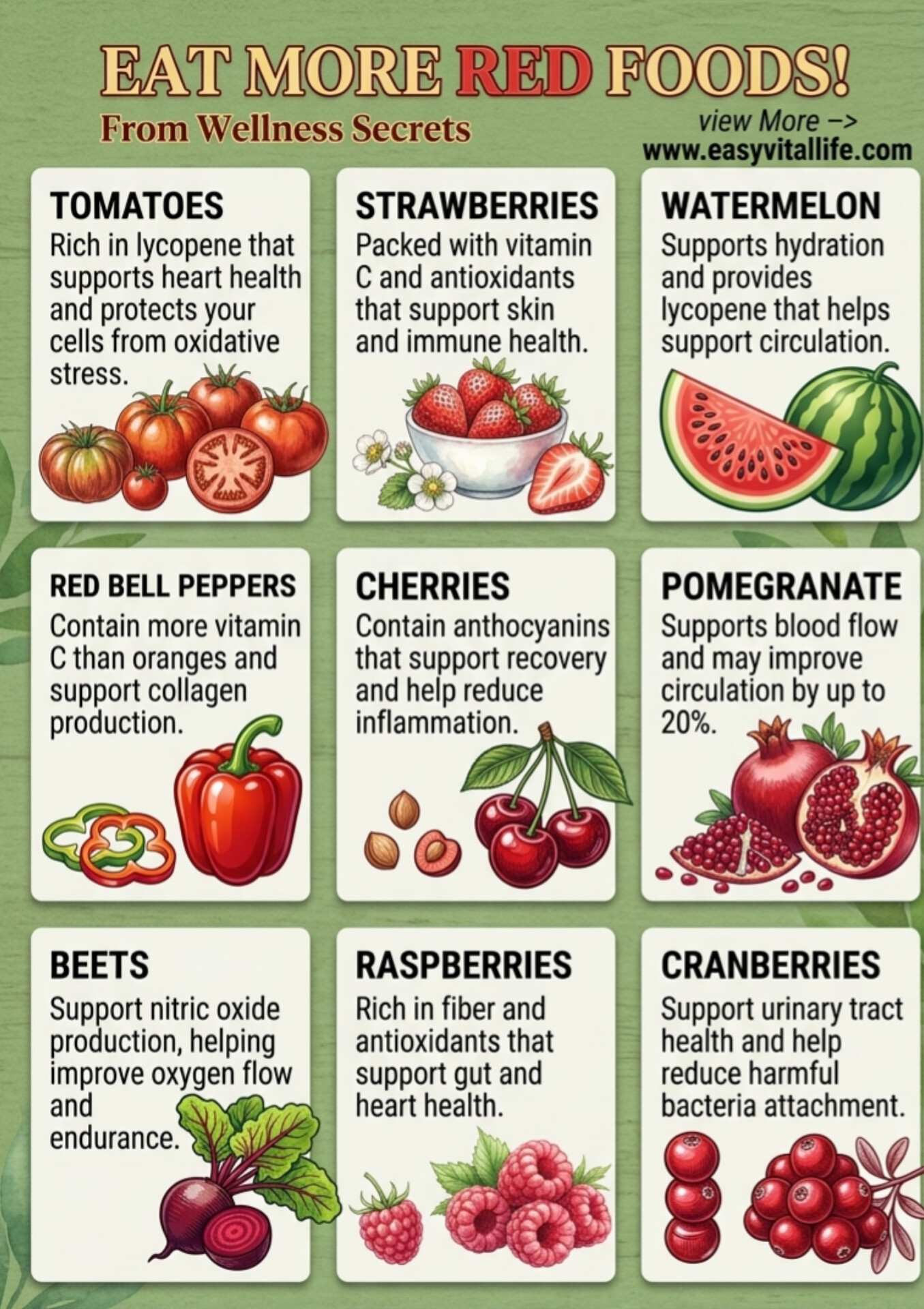
Eat More Red Foods: The Complete Nutritional Guide to Nature’s Cardiovascular and Antioxidant Powerhouses
Red foods represent some of nature’s most heart-healthy and antioxidant-rich superfoods, yet their exceptional benefits remain underappreciated in most modern diets…
The vibrant red pigmentation indicates the presence of lycopene, anthocyanins, and other polyphenol compounds that provide extraordinary cardiovascular, cognitive, and anti-aging benefits. Understanding which red foods to prioritize and how to incorporate them into your daily nutrition allows you to harness the transformative healing power of these nutritional champions. This comprehensive guide explores twelve exceptional red foods and explains the scientific research behind their remarkable health-promoting properties.
The Science Behind Red Food Pigmentation and Antioxidant Power
The red color in foods comes from lycopene and anthocyanins, powerful carotenoid and flavonoid compounds that protect plants from ultraviolet radiation and oxidative damage. When you consume these pigments, your body recognizes them as potent antioxidants that provide equivalent protective benefits to the plants that produce them. The deeper and more vivid the red color, the more concentrated these protective compounds are present, making the most brilliantly red foods exceptional sources of antioxidant support.
Research consistently demonstrates that people consuming lycopene and anthocyanin-rich red foods have significantly lower rates of cardiovascular disease, cognitive decline, and cancer compared to those consuming these foods rarely. The compounds work through multiple mechanisms including direct antioxidant action neutralizing free radicals, anti-inflammatory pathways reducing systemic inflammation, and epigenetic effects influencing gene expression throughout your body. By consuming red foods regularly, you activate your body’s natural defense systems against disease while supporting optimal function at every level.
Tomatoes: The Lycopene Champion for Heart and Cellular Health
Tomatoes stand as perhaps the most researched red food, with thousands of studies confirming their exceptional cardiovascular protective properties through multiple mechanisms. Tomatoes contain lycopene, a carotenoid antioxidant that provides the deep red color and protects heart tissue from oxidative damage and inflammation. Research demonstrates that lycopene reduces cardiovascular disease risk by up to thirty percent through blood pressure reduction, improved cholesterol ratios, and arterial plaque prevention.
The lycopene in tomatoes becomes more bioavailable when heated through cooking processes. Tomato sauce, tomato paste, and cooked tomato dishes provide superior lycopene absorption compared to raw tomatoes because heat breaks down cell walls and concentrates the lycopene. This makes cooked tomato products more effective therapeutically than raw tomatoes despite the common assumption that raw is always superior.
Beyond lycopene, tomatoes provide vitamin C supporting collagen synthesis and immune function, potassium supporting cardiovascular health and electrolyte balance, and folate supporting cellular function and neurological health. The combination of lycopene, vitamin C, potassium, and other nutrients makes tomatoes a comprehensive nutritional foundation.
Consume one to two servings of tomatoes daily, preferably in cooked form such as tomato sauce, tomato soup, or cooked tomato dishes for maximum lycopene absorption. This simple daily habit provides cardiovascular protection and cellular antioxidant support that accumulates over weeks and months.
Strawberries: The Vitamin C and Antioxidant Skin Protector
Strawberries provide exceptional vitamin C content alongside anthocyanin antioxidants, creating a powerful combination supporting skin health and immune function simultaneously. Vitamin C is essential for collagen synthesis, the structural protein that maintains skin elasticity, strength, and firmness. Strawberries provide approximately seventeen milligrams of vitamin C per one-cup serving, exceeding the daily requirement while delivering the fruit’s natural sweetness.
Beyond vitamin C, strawberries contain ellagic acid and anthocyanins, polyphenol antioxidants with anti-inflammatory and anti-cancer properties providing protection against chronic disease. These compounds have been shown in research to support liver detoxification, enhance natural killer cell function, and reduce cancer cell proliferation through multiple mechanisms. The antioxidant profile of strawberries is so robust that regular consumption is associated with reduced risk of heart disease, diabetes, and cognitive decline.
The seeds in strawberries provide additional nutrients including magnesium, manganese, and folate, minerals essential for cellular energy production and neurological function. Fresh strawberries provide maximum nutrient content compared to cooked or processed varieties, though frozen strawberries retain equivalent nutritional value when frozen immediately after harvest.
Consume one cup of fresh or frozen strawberries daily, either as a standalone snack or incorporated into smoothies, salads, or breakfast bowls. Strawberries provide immediate antioxidant support while their natural sweetness makes them an enjoyable addition to virtually any meal.
Watermelon: The Hydration and Circulation Champion
Watermelon provides exceptional lycopene content alongside over ninety percent water, making it ideal for hydration and cardiovascular support simultaneously. The lycopene concentration in watermelon rivals that of cooked tomatoes, providing equivalent cardiovascular protective benefits while the high water content ensures superior hydration compared to other lycopene sources.
Watermelon also contains citrulline, an amino acid that your body converts to arginine, supporting blood vessel dilation and improved blood flow. This mechanism provides benefits for cardiovascular health, athletic performance, and sexual function through improved circulation. The natural sugars in watermelon provide energy while the water and electrolytes support hydration and fluid balance.
The combination of lycopene for cardiovascular protection, citrulline for improved blood flow, and water for hydration makes watermelon a uniquely comprehensive cardiovascular supporter. Athletes consume watermelon before and after exercise specifically for these circulation-enhancing properties.
Consume one to two cups of fresh watermelon daily, particularly during warm months when watermelon is in season and most nutrient-dense. The high water and low calorie content make watermelon ideal for weight management while providing exceptional cardiovascular support.
Red Bell Peppers: The Vitamin C Champion with Carotenoid Power
Red bell peppers contain more vitamin C than oranges while providing carotenoid antioxidants including beta-carotene and lycopene. One medium red bell pepper provides nearly twice the daily vitamin C requirement while delivering the compounds necessary for robust collagen production and immune function.
The vitamin C in red bell peppers is particularly heat-stable compared to other vitamin C sources, making both raw and cooked red peppers excellent sources. Roasting or sautéing red bell peppers doesn’t significantly reduce vitamin C content, allowing multiple preparation methods without nutrient loss. The combination of vitamin C and carotenoids provides comprehensive antioxidant support.
Red bell peppers also contain quercetin, a flavonoid with anti-inflammatory properties supporting joint health and reducing allergic responses. The combination of vitamin C, carotenoids, and quercetin makes red bell peppers exceptionally effective for immune support and inflammation reduction.
Consume one to two red bell peppers daily, either raw as crudités or vegetables, roasted as a side dish, or incorporated into stir-fries and salads. The sweet flavor and crispy texture make red bell peppers enjoyable across multiple culinary applications.
Cherries: The Recovery and Inflammation-Reducing Superfruit
Cherries contain anthocyanins and other polyphenol antioxidants providing powerful anti-inflammatory benefits making them ideal for exercise recovery and inflammation management. Research demonstrates that tart cherry consumption reduces exercise-induced muscle soreness and accelerates recovery through anti-inflammatory mechanisms. Athletes consume tart cherry juice or whole cherries specifically for recovery support.
Beyond recovery benefits, cherries provide melatonin, a compound supporting sleep quality and circadian rhythm regulation. The natural melatonin in cherries is so significant that tart cherry juice is often consumed for sleep support. The combination of anti-inflammatory properties and sleep-supporting melatonin makes cherries valuable for general health and recovery.
Cherries also contain vitamin C supporting immune function and anthocyanins supporting cognitive health and vascular function. The combination of anthocyanins, melatonin, and vitamin C makes cherries comprehensive health supporters.
Consume fresh cherries during growing season or year-round access through frozen or dried cherries. Tart cherry juice provides concentrated benefits for recovery and sleep support when consumed post-exercise or before bed.
Pomegranate: The Circulation and Vascular Health Amplifier
Pomegranate contains punicalagins and anthocyanins, powerful polyphenol antioxidants providing exceptional cardiovascular and cognitive benefits. Research demonstrates that pomegranate juice improves blood flow and reduces arterial stiffness, with some studies showing circulation improvements of up to twenty percent. The mechanism involves improved endothelial function and nitric oxide production, supporting blood vessel dilation and improved oxygen delivery.
Beyond circulation benefits, pomegranate provides protective effects against erectile dysfunction, improved cognitive function, and reduced risk of Alzheimer’s disease. The antioxidant content in pomegranate is among the highest of any fruit, providing comprehensive protection against oxidative stress underlying aging and disease.
The pomegranate seeds contain additional fiber and nutrients supporting digestive health and stable blood sugar. The combination of punicalagins for cardiovascular protection, anthocyanins for cognitive health, and fiber for digestive support makes pomegranate a comprehensive nutritional investment.
Consume fresh pomegranate seeds regularly or eight ounces of pomegranate juice daily for cardiovascular and cognitive benefits. While pomegranate juice is concentrated in natural sugars, the antioxidant content justifies occasional consumption as a therapeutic rather than everyday beverage.
Beets: The Nitric Oxide and Endurance Amplifier
Beets contain inorganic nitrates that your body converts to nitric oxide, a signaling molecule supporting blood vessel dilation and improved oxygen delivery throughout your body. This mechanism provides benefits for cardiovascular health, exercise performance, and cognitive function through improved blood flow. Athletes consume beetroot juice specifically for its nitric oxide-producing properties that enhance oxygen efficiency and endurance.
Beyond nitric oxide production, beets provide betalains, pigments with powerful antioxidant and anti-inflammatory properties. The folate content in beets supports cellular function and neurological health while the naturally high sugar content provides energy for athletic performance.
Beets also support natural detoxification pathways through their effect on liver function. The combination of nitric oxide enhancement for circulation, betalains for antioxidant protection, and detoxification support makes beets uniquely effective for comprehensive health.
Consume one-half to one cup of cooked beets daily or eight ounces of beetroot juice for circulation and performance enhancement. The earthy flavor makes beets ideal incorporated into salads, soups, or roasted as a side dish.
Raspberries: The Fiber and Gut Health Specialist
Raspberries provide exceptional fiber content supporting digestive health, healthy cholesterol levels, and stable blood sugar through multiple mechanisms. The soluble fiber in raspberries feeds beneficial gut bacteria, which produce short-chain fatty acids supporting colon health and immune function through the gut-brain axis. One cup of raspberries provides approximately eight grams of fiber, nearly one-third of daily requirements.
Beyond fiber, raspberries contain anthocyanins and ellagic acid, polyphenols with powerful antioxidant properties. These compounds support cardiovascular health, cognitive function, and even anti-cancer properties through multiple protective mechanisms. The antioxidant content in raspberries rivals that of more expensive berries like acai.
Raspberries also provide vitamin C, manganese, and copper, nutrients supporting immune function, bone health, and energy production. The combination of fiber for gut health, anthocyanins for antioxidant protection, and micronutrients for comprehensive support makes raspberries exceptionally valuable.
Consume one cup of fresh or frozen raspberries daily, either as a standalone snack or incorporated into smoothies and breakfast bowls. Raspberries provide immediate antioxidant support while their high fiber content ensures sustained digestive benefits.
Cranberries: The Urinary Tract and Microbial Health Protector
Cranberries contain proanthocyanidins, compounds that prevent harmful bacteria from adhering to urinary tract tissue, reducing urinary tract infection risk and severity. Research demonstrates that cranberry consumption reduces urinary tract infection recurrence by up to thirty percent through this adhesion-prevention mechanism. While cranberry juice is commonly consumed for this purpose, whole cranberries provide superior nutritional benefits without excessive natural sugars.
Beyond urinary tract health, cranberries provide anthocyanins supporting cardiovascular and cognitive health alongside quercetin reducing inflammatory responses. The antioxidant content in cranberries is exceptionally high, providing comprehensive protection against oxidative stress.
Cranberries also support oral health through their antimicrobial properties and promotion of healthy tooth and gum tissue. The combination of urinary tract protection, cardiovascular support, and oral health benefits makes cranberries valuable for multiple body systems.
Consume one-half to one cup of fresh or frozen cranberries daily, incorporated into smoothies, sauces, or other dishes. While dried cranberries are convenient, they contain concentrated sugars and should be consumed more moderately than fresh varieties.
Red Cabbage: The Brain and Gut Health Amplifier
Red cabbage contains anthocyanins providing powerful antioxidant and anti-inflammatory benefits supporting brain health and gut function. The deep purple-red color indicates exceptional anthocyanin concentration, making red cabbage superior to green cabbage for antioxidant benefits. These compounds accumulate in brain tissue where they protect against oxidative damage and inflammation underlying cognitive decline.
Red cabbage also provides exceptional fiber supporting healthy gut bacteria and digestive health. The prebiotic compounds in red cabbage feed beneficial bacteria, which produce compounds supporting immune function and mental health through the gut-brain axis. This connection between gut health and brain health makes red cabbage valuable for cognitive support.
Red cabbage contains glucosinolates, compounds that your body converts to sulforaphane, a powerful neuroprotectant supporting brain health and potentially providing protective effects against neurodegenerative conditions. The combination of anthocyanins for cognitive protection, fiber for gut health, and glucosinolates for neuroprotection makes red cabbage exceptionally valuable for brain and digestive health.
Consume one to two cups of raw red cabbage daily in salads, slaws, or fermented preparations. Fermented red cabbage provides additional probiotic benefits while maintaining anthocyanin content, making sauerkraut and kimchi valuable preparations.
Radishes: The Digestion and Detoxification Supporter
Radishes contain compounds that stimulate digestive enzyme production and liver detoxification pathways, supporting natural elimination of toxins. The pungent compounds in radishes provide antimicrobial benefits while the high water content supports hydration and kidney function. Radishes are particularly valued in traditional medicine for their digestive and detoxification properties.
Beyond digestion support, radishes provide vitamin C supporting immune function and collagen synthesis. The fiber content, though modest, supports digestive health and provides prebiotic support to beneficial gut bacteria. The natural compounds in radishes make them valuable for digestive system optimization.
Radishes also contain glucosinolates, compounds with anti-cancer properties through multiple protective mechanisms. The combination of digestive enzyme stimulation for improved digestion, vitamin C for immune support, and glucosinolates for cancer prevention makes radishes valuable for multiple health systems.
Consume one-half to one cup of fresh radishes daily, raw in salads or as crudités. The crisp texture and peppery flavor make radishes enjoyable as a snack or salad component.
Red Grapes: The Heart Health and Longevity Superfruit
Red grapes contain resveratrol, a polyphenol compound with remarkable cardiovascular protective properties supporting heart health and healthy aging. Resveratrol relaxes blood vessels improving blood flow, prevents arterial plaque formation, and reduces inflammation through multiple mechanisms. Research demonstrates that red grape consumption reduces cardiovascular disease risk and improves overall health markers.
Beyond resveratrol, red grapes provide anthocyanins and other polyphenols providing antioxidant and anti-inflammatory benefits. These compounds protect against oxidative stress underlying cardiovascular disease and cognitive decline. The natural sugars in grapes provide energy while the compounds support cellular protection against aging.
Red grapes also support healthy cholesterol levels and reduce blood pressure through multiple mechanisms. The combination of resveratrol for cardiovascular health, anthocyanins for antioxidant protection, and compounds supporting vascular health makes red grapes valuable for heart health and longevity.
Consume one cup of fresh red grapes daily, or eight ounces of red grape juice. While juice is convenient, whole grapes provide fiber lacking in juice alongside equivalent antioxidant benefits. Frozen red grapes provide year-round access and offer satisfying texture.
Creating Your Red Food Nutrition Strategy
Rather than viewing red foods as occasional additions, integrate them into your regular diet as foundational nutrition supporting cardiovascular health, cognitive function, and anti-aging benefits. A diet incorporating multiple red foods daily provides comprehensive antioxidant and anti-inflammatory support addressing multiple health systems simultaneously.
A red food-focused day might include tomato sauce with pasta for lunch, red bell peppers in a stir-fry for dinner, strawberries in a smoothie for breakfast, red grapes as an afternoon snack, and beetroot in a salad. This approach provides adequate variety while focusing on nutritional density and cardiovascular support.
The synergistic benefits of multiple red foods multiply when combined intentionally. Your cardiovascular system benefits from tomatoes, watermelon, pomegranate, and red grapes. Your digestion benefits from raspberries and red cabbage. Your brain benefits from cherries and red cabbage. Your circulation benefits