
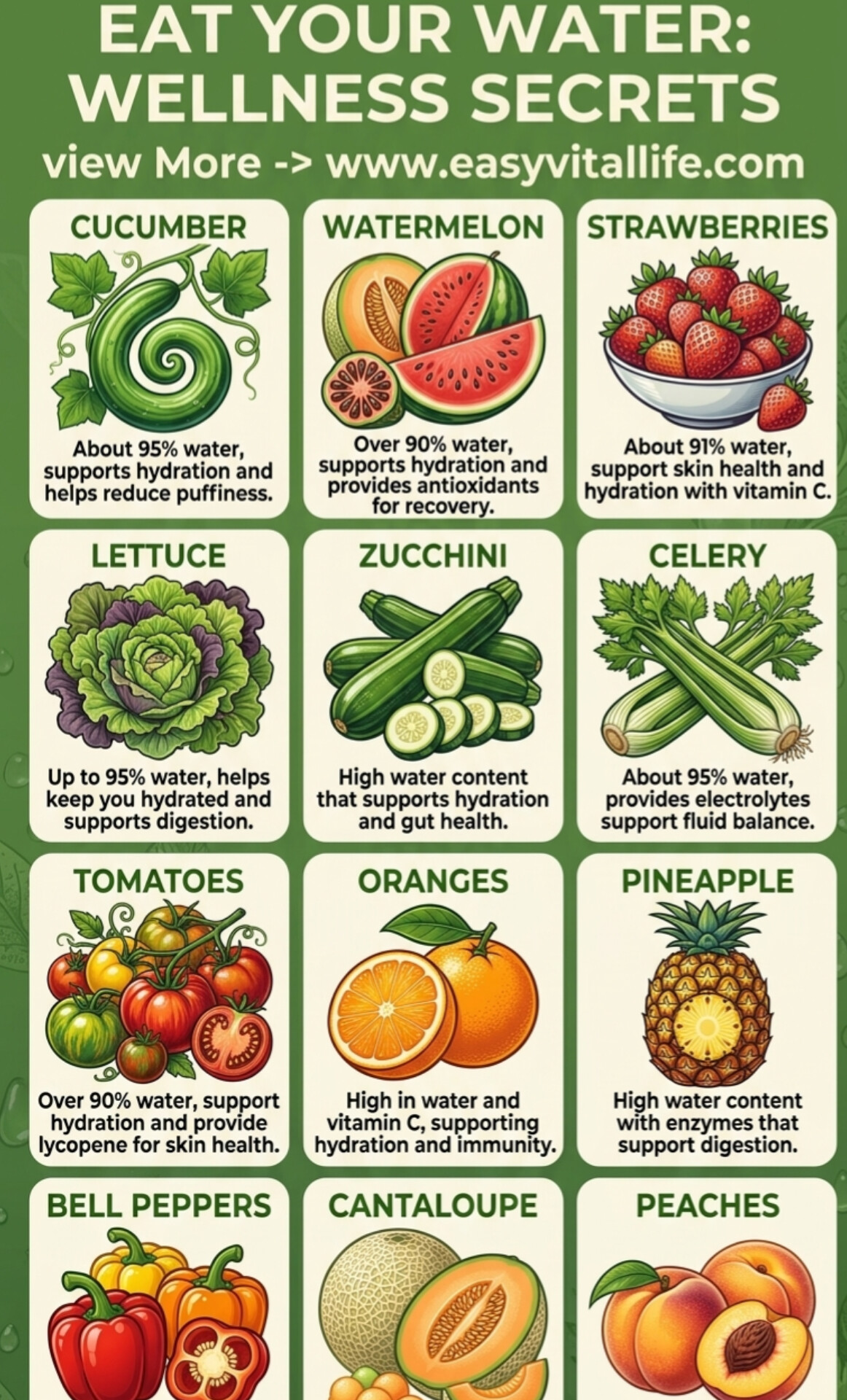
Eat Your Water: Wellness Secrets of Water-Rich Foods for Optimal Hydration and Health
Most people focus exclusively on drinking water for hydration, overlooking a profound wellness secret that ancient cultures understood intuitively…
You can literally eat your water through consuming water-rich foods that provide hydration alongside essential nutrients, antioxidants, and minerals your body craves. These water-rich foods deliver hydration more effectively than plain water alone because they include electrolytes, vitamins, and phytonutrients that enhance absorption and utilization. Understanding which foods are hydration powerhouses transforms your approach to wellness and allows you to meet your body’s water needs through delicious, nutrient-dense whole foods.
The human body is approximately sixty percent water, and maintaining this hydration level is essential for virtually every bodily function. Proper hydration supports cognitive function, physical performance, nutrient transport, waste elimination, joint lubrication, and temperature regulation. Yet millions of people exist in a state of chronic mild dehydration without realizing it. By incorporating water-rich foods into your diet strategically, you can achieve superior hydration compared to those drinking plain water alone.
Cucumber: The Hydration Foundation with Digestive Support
Cucumbers are nature’s most hydrating vegetable, containing approximately ninety-five percent water by weight. Beyond their exceptional water content, cucumbers provide valuable compounds that support digestion, reduce inflammation, and promote overall wellness. The skin of cucumbers contains silica, a mineral that supports connective tissue health and skin elasticity.
Cucumbers contain quercetin, a powerful flavonoid with anti-inflammatory properties that supports joint health and reduces allergic responses. The seeds contain tryptophan, an amino acid that supports mood and relaxation. Cucumbers are exceptionally low in calories while providing satisfying bulk that supports digestive function and satiety.
The high water content combined with low calorie density makes cucumbers ideal for weight management while supporting complete hydration. Unlike drinking water alone, consuming cucumbers provides satiety and satiation signals that prevent overeating. The fiber content, though modest, supports healthy gut bacteria and digestive function.
Incorporate cucumbers into salads, slice them for snacking, add them to water for flavored hydration, or consume them as a cooling summer food that literally supports your body’s internal temperature regulation. Consuming one to two cups of cucumber daily provides significant hydration alongside digestive and anti-inflammatory benefits.
Watermelon: The Hydration Champion with Antioxidant Recovery Support
Watermelon stands as the quintessential summer hydration food, containing over ninety percent water and providing exceptional nutritional value despite its sweet, simple appearance. The high water content combined with natural sugars and electrolytes makes watermelon ideal for post-exercise recovery when your body needs rapid rehydration and glycogen replenishment.
Beyond water, watermelon provides lycopene, a powerful carotenoid antioxidant that supports cardiovascular health and reduces oxidative stress throughout the body. Lycopene accumulates in tissues and provides protective benefits against age-related diseases. The red pigmentation of watermelon indicates lycopene concentration, with more deeply colored watermelons containing higher antioxidant levels.
Watermelon also contains citrulline, an amino acid that your body converts to arginine, supporting blood flow and cardiovascular function. Athletes and active individuals benefit particularly from watermelon consumption before and after exercise because citrulline improves blood flow, delivering oxygen and nutrients to muscles while removing metabolic waste.
The natural sugars in watermelon provide energy for active individuals while the water and electrolytes support hydration. Unlike sports drinks loaded with artificial ingredients, watermelon provides natural electrolyte support with nutrients intact. Consuming watermelon one to two hours before exercise or immediately after provides optimal performance and recovery benefits.
Enjoy fresh watermelon in chunks, blend it into smoothies, or freeze it for cooling hydration during summer months. Aim for one to two cups of watermelon daily during warm months or after physical activity for hydration and recovery support.
Strawberries: The Skin-Nourishing Hydration Berry with Vitamin C
Strawberries contain approximately ninety-one percent water while providing exceptional nutritional value rarely found in fruits. The high water content combined with vitamin C concentration makes strawberries ideal for supporting skin health and immune function simultaneously.
Vitamin C is essential for collagen synthesis, the structural protein that maintains skin elasticity, strength, and firmness. Strawberries contain approximately seventeen milligrams of vitamin C per one-cup serving, exceeding the daily requirement for this critical nutrient. Beyond skin support, vitamin C functions as a powerful antioxidant protecting cells from oxidative damage and supporting immune function.
Strawberries also contain ellagic acid and anthocyanins, polyphenol antioxidants with anti-inflammatory and anti-cancer properties. These compounds provide protective benefits against chronic disease while supporting natural detoxification processes. The antioxidant profile of strawberries is so robust that regular consumption is associated with reduced risk of heart disease, diabetes, and cognitive decline.
The seeds in strawberries provide additional nutrients including magnesium, manganese, and folate, minerals essential for cellular function and energy production. Fresh strawberries provide maximum nutrient content compared to cooked or processed varieties.
Consume fresh strawberries as a snack, add them to salads for natural sweetness, blend them into smoothies, or incorporate them into breakfast bowls. Aim for one cup of fresh strawberries daily to receive complete hydration and skin-supporting benefits.
Lettuce: The Digestive Hydration Foundation with Mineral Support
Lettuce contains up to ninety-five percent water, making it one of the most hydrating vegetables you can consume. The various lettuce varieties including romaine, butterhead, and loose-leaf varieties all provide exceptional hydration with minimal calories and maximum nutritional value.
Lettuce is exceptionally rich in folate, a B vitamin essential for cellular function, DNA synthesis, and neurological health. Folate deficiency is associated with elevated homocysteine, a risk factor for cardiovascular disease. Regular lettuce consumption ensures adequate folate intake, supporting cardiovascular health and cognitive function.
Beyond folate, lettuce provides vitamin K, a nutrient essential for blood clotting and bone health. Vitamin K activates proteins involved in calcium regulation, directing dietary calcium into bones and teeth where it belongs rather than into soft tissues and arteries. Adequate vitamin K intake supports bone density, arterial flexibility, and cardiovascular health.
The dark leafy varieties of lettuce including romaine contain lutein and zeaxanthin, carotenoid antioxidants that accumulate in the eyes and protect against age-related macular degeneration. These compounds support vision health and cognitive function, with particularly high concentrations in darker leaf varieties.
Incorporate lettuce into salads as the foundation, add it to wraps and sandwiches, blend it into smoothies, or use it as a base for nutrient-dense meals. Consuming one to two cups of fresh lettuce daily provides hydration alongside comprehensive nutrient support.
Zucchini: The Gut-Healthy Hydration Vegetable with Prebiotic Fiber
Zucchini provides high water content supporting hydration while offering compounds that promote digestive and metabolic health. The high water content combined with modest calorie density makes zucchini ideal for people managing weight while seeking complete nutrition.
Zucchini contains inulin, a type of fiber that feeds beneficial gut bacteria and acts as a prebiotic compound. Prebiotic fibers support the growth of healthy bacterial species that produce short-chain fatty acids essential for colon health and immune function. By feeding beneficial bacteria, zucchini consumption indirectly supports immune function, mood, and metabolic health through gut-brain axis mechanisms.
The skin of zucchini contains lutein and zeaxanthin, the same carotenoid antioxidants found in lettuce that protect eye health and cognitive function. The compound quercetin in zucchini provides anti-inflammatory benefits supporting joint health and reducing allergic responses.
Zucchini’s versatility makes it easy to consume regularly. Slice it for salads, roast it as a side dish, spiralize it as a pasta replacement, add it to soups, or grill it for a summer vegetable. Consuming one to two cups of zucchini daily provides hydration alongside prebiotic fiber and gut-supporting benefits.
Celery: The Electrolyte-Rich Hydration Vegetable with Mineral Support
Celery contains approximately ninety-five percent water while providing essential electrolytes including sodium and potassium critical for fluid balance and nerve function. Unlike processed sports drinks, celery provides natural electrolytes in the correct ratio for optimal absorption and utilization.
Celery contains compounds called 3-n-butylphthalide and 3,6-dimethyl-2,5-dihydroxypyrazine that support cardiovascular function and blood pressure regulation. Research demonstrates that regular celery consumption reduces blood pressure in people with hypertension, likely through multiple mechanisms including electrolyte balance and blood vessel relaxation.
The fiber content in celery supports healthy cholesterol levels by binding cholesterol in the digestive tract and promoting elimination. The prebiotic fiber feeds beneficial gut bacteria, supporting the microbiome health essential for immune function and metabolic health.
Celery’s natural saltiness makes it satisfying without added sodium while supporting electrolyte balance. Consume celery as crudités with hummus, add it to soups and broths, juice it for concentrated nutrient extraction, or incorporate it into salads. Aim for one to two cups of celery daily for complete electrolyte and hydration support.
Tomatoes: The Lycopene-Rich Hydration Fruit with Skin Protection
Tomatoes contain over ninety percent water while providing exceptional nutritional value that increases through cooking. The heat applied during cooking breaks down cell walls and concentrates lycopene, making cooked tomato products superior to raw tomatoes for antioxidant benefit.
Lycopene is a carotenoid antioxidant with profound benefits for skin health and cardiovascular function. The compound protects skin cells from sun damage, reduces inflammation, and supports the skin’s ability to retain moisture. People consuming adequate lycopene show superior skin health markers including better hydration, elasticity, and resistance to photoaging.
Tomatoes also provide vitamin C supporting immune function and collagen synthesis, and potassium supporting cardiovascular health and electrolyte balance. The combination of water, lycopene, vitamin C, and potassium makes tomatoes ideal for comprehensive health support.
Consume fresh tomatoes in salads, use cooked tomato sauce in pasta dishes, add tomato paste to soups and stews, or enjoy tomato juice as a hydrating beverage. Aim for one to two servings of tomatoes daily in any form to receive complete hydration and skin-protective benefits.
Oranges: The Immune-Supporting Hydration Fruit with Vitamin C
Oranges contain high water content along with exceptional vitamin C concentration, making them ideal for supporting immune function and collagen synthesis simultaneously. A single medium orange provides over one hundred percent of the daily vitamin C requirement while delivering hydrating water and natural sugars.
The flavonoids in oranges provide powerful antioxidant benefits supporting cardiovascular health and reducing inflammation throughout the body. Hesperidin, a flavonoid concentrated in orange pith, supports blood vessel function and reduces cardiovascular disease risk.
The natural sugars in oranges provide energy while the fiber content supports digestive health and stable blood sugar. Whole oranges provide superior benefits compared to orange juice because the fruit provides fiber lacking in juice while delivering identical nutrient content.
Consume whole oranges as a snack, add orange segments to salads, or incorporate them into breakfast bowls. Aim for one to two oranges daily to receive complete immune support and hydration benefits.
Pineapple: The Digestive-Supporting Hydration Tropical Fruit
Pineapple contains high water content along with bromelain, a protease enzyme that supports protein digestion and reduces inflammation throughout the body. Bromelain is particularly concentrated in fresh pineapple, with canning destroying much of the enzyme activity.
Beyond bromelain, pineapple provides vitamin C supporting immune function and collagen synthesis. The combination of high water content, digestive enzymes, and vitamin C makes pineapple ideal for supporting digestive health while maintaining hydration.
The bromelain in pineapple has been used traditionally in Central America for centuries to support digestion and reduce inflammation. Modern research validates these traditional uses, demonstrating that bromelain reduces digestive inflammation and supports the integrity of the intestinal lining.
Consume fresh pineapple as a snack, add it to smoothies, or incorporate it into savory dishes for enzyme support and hydration benefits. Aim for one-half to one cup of fresh pineapple daily for digestive support.
Bell Peppers: The Antioxidant-Rich Hydration Vegetable
Bell peppers contain over ninety percent water while providing exceptional concentrations of vitamin C and other antioxidants. A single cup of raw bell peppers provides approximately twice the daily vitamin C requirement alongside powerful protective compounds.
Bell peppers of different colors provide distinct antioxidant profiles. Red peppers contain lycopene, the same carotenoid found in tomatoes that supports cardiovascular health. Yellow and orange peppers contain lutein and zeaxanthin, carotenoids that support eye and cognitive health. All varieties provide vitamin C and other polyphenol antioxidants.
The high water content combined with dietary fiber makes bell peppers satisfying while supporting weight management and digestive health. The natural sweetness provides satisfaction without excessive calories.
Consume bell peppers raw in salads, roast them as a side dish, add them to stir-fries, or stuff them with nutritious fillings. Aim for one to two cups of bell peppers daily in any color combination to receive complete antioxidant and hydration support.
Cantaloupe: The Mineral-Rich Hydration Melon with Potassium
Cantaloupe contains very high water content along with exceptional potassium concentration supporting cardiovascular health and electrolyte balance. A single cup of cantaloupe provides over ten percent of the daily potassium requirement while delivering hydration.
Beyond potassium, cantaloupe provides beta-carotene, a carotenoid that your body converts to vitamin A essential for vision and immune function. The orange pigmentation indicates beta-carotene concentration, with more deeply colored cantaloupes containing higher nutrient levels.
Cantaloupe provides vitamin C supporting immune function and collagen synthesis. The combination of high water content, potassium, beta-carotene, and vitamin C makes cantaloupe ideal for comprehensive health support.
Consume fresh cantaloupe as a snack, add it to fruit salads, or blend it into smoothies. Aim for one cup of cantaloupe daily to receive complete hydration and mineral support.
Peaches: The Skin-Healthy Hydration Stone Fruit
Peaches contain high water content along with compounds supporting skin health and hydration. The natural sugars provide energy while the fiber supports digestive health and stable blood sugar.
Peaches provide vitamin C supporting collagen synthesis and immune function. The compounds chlorogenic acid and neochlorogenic acid in peaches provide antioxidant benefits protecting against oxidative stress and supporting cognitive function.
The skin of peaches contains additional antioxidants compared to the flesh alone, so consuming whole peaches with skin intact maximizes nutritional benefit. The fuzzy skin texture may feel unfamiliar to some, but the nutritional benefits justify consuming whole fruit.
Consume fresh peaches as a snack, add them to smoothies, incorporate them into salads, or grill them for warm desserts. Aim for one to two peaches daily during peach season to receive complete hydration and skin-supportive benefits.
Creating Your Water-Rich Food Hydration Plan
Rather than relying exclusively on plain water for hydration, strategic incorporation of water-rich foods creates superior hydration while providing comprehensive nutritional support. A hydration plan incorporating diverse water-rich foods ensures your body receives water alongside electrolytes, antioxidants, and micronutrients essential for optimal function.
A hydration-focused day might include cucumber slices for breakfast, watermelon as a mid-morning snack, a large salad featuring lettuce, tomatoes, and bell peppers for lunch, zucchini and celery vegetables for an afternoon snack, and peaches for evening hydration. This approach provides adequate hydration while delivering comprehensive nutrients from diverse food sources.
The variety of foods ensures diverse nutrient profiles addressing multiple health concerns simultaneously. The water content ensures consistent hydration throughout the day. The fiber content supports digestive health and satiety signals preventing overeating.
The Benefits Beyond Hydration
Water-rich foods provide benefits far exceeding simple hydration. The antioxidants protect against oxidative stress and chronic disease. The electrolytes support cardiovascular and neurological function. The fiber supports digestive health and beneficial gut bacteria. The vitamins support energy production and immune function.
By consuming water-rich foods, you receive comprehensive nutrition alongside hydration. This represents a more sophisticated approach to wellness compared to consuming plain water and processed foods separately. Your body recognizes whole foods and utilizes them more efficiently than fragmented nutrients consumed separately.
Seasonal eating of water-rich foods connects you to natural rhythms while ensuring peak nutrient content. Summer watermelons provide hydration when environmental heat increases water loss. Fall peaches prepare your body for seasonal transitions. Understanding these connections transforms eating from a mundane requirement into a sophisticated wellness practice.
Conclusion: Eat Your Water for Optimal Wellness
Cucumbers provide ninety-five percent water supporting hydration and digestive health. Watermelon delivers hydration with antioxidants and recovery-supporting compounds for active individuals. Strawberries combine hydration with skin-supporting vitamin C and antioxidants. Lettuce offers hydration with nutrient density and minimal calories. Zucchini provides hydration with prebiotic fiber supporting gut health. Celery delivers natural electrolytes supporting cardiovascular function. Tomatoes provide hydration with skin-protecting lycopene. Oranges offer immune-supporting vitamin C with hydration. Pineapple includes digestive enzymes alongside hydration. Bell peppers de