
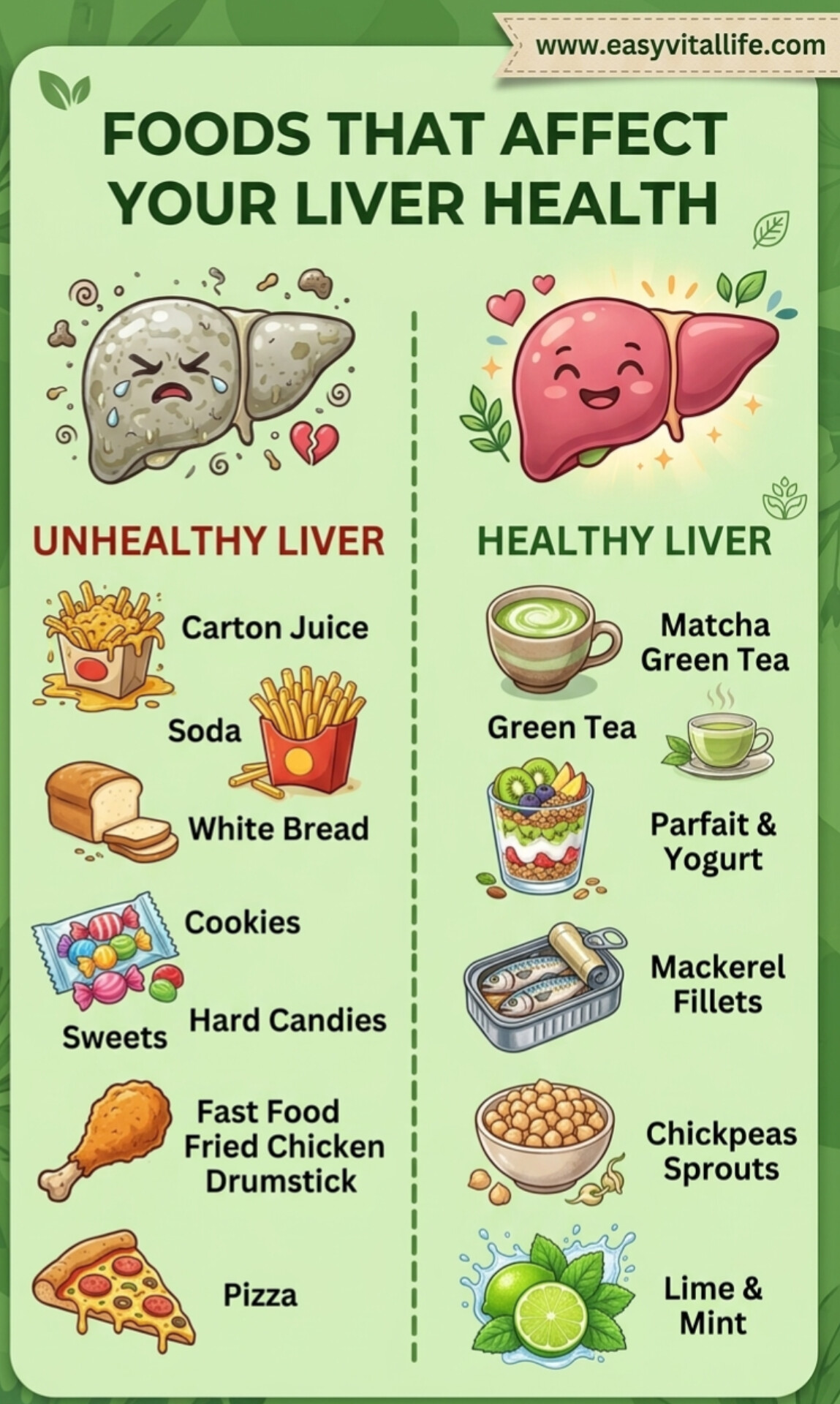
Your liver is silently suffering every time you eat these foods. Pizza, soda, white bread, fast food… sound familiar? The good news? A few simple swaps can change everything….
Your liver is one of the hardest-working organs in your body. Every single day, it filters toxins from your blood, produces bile for digestion, regulates blood sugar, stores essential vitamins and minerals, and performs over 500 vital functions that keep you alive and well. Yet despite its critical role, the liver is also one of the most neglected organs when it comes to daily dietary choices.
The truth is simple and powerful: what you put on your plate every day either supports your liver or silently damages it. Understanding which foods fall into which category is one of the most impactful things you can do for your long-term health.
Why Your Liver Health Matters More Than You Think
Liver disease is on the rise globally, and the most alarming aspect is that it often develops without any obvious symptoms until significant damage has already occurred. Non-alcoholic fatty liver disease (NAFLD), in particular, has become one of the most common chronic liver conditions worldwide — and it is almost entirely driven by diet and lifestyle.
The good news is that the liver is a remarkably resilient organ. It has an extraordinary capacity for regeneration and recovery — but only when given the right nutritional support. By consistently choosing liver-friendly foods and eliminating the most damaging ones, you can genuinely reverse early-stage liver stress and protect this vital organ for decades to come.
Foods That Damage Your Liver
Certain everyday foods place an enormous burden on the liver, forcing it to work overtime to process harmful compounds, excess sugars, and inflammatory fats. Over time, this chronic overload leads to fat accumulation, inflammation, and cellular damage.
Carton juices and sodas are among the most underestimated threats to liver health. Despite their innocent appearance, packaged fruit juices are loaded with concentrated fructose — a sugar that the liver must process exclusively, unlike glucose which is used by every cell in the body. Excessive fructose consumption is directly linked to fatty liver development. Sodas compound this problem with additional artificial sweeteners, colorings, and phosphoric acid that further stress liver function.
White bread and refined carbohydrates cause rapid spikes in blood sugar that trigger insulin surges, driving fat storage directly in liver cells. These processed grains have been stripped of their fiber and nutrients, offering nothing of value while creating a significant metabolic burden.
Cookies, sweets, and hard candies deliver concentrated doses of sugar with zero nutritional benefit. Regular consumption of these high-sugar foods consistently elevates triglyceride levels in the blood, feeding the cycle of fat accumulation in liver tissue that ultimately leads to fatty liver disease.
Fast food, fried chicken, and pizza represent a particularly dangerous combination of trans fats, saturated fats, refined flour, and excess sodium. Trans fats still present in many commercial fried and processed foods are especially toxic to liver cells, triggering inflammation and interfering with the liver’s ability to process and eliminate harmful substances effectively.
Foods That Heal and Protect Your Liver
Just as certain foods damage the liver, others provide extraordinary protective and regenerative benefits. Incorporating these into your daily diet is one of the most powerful investments you can make in your health.
Matcha green tea and regular green tea are among the most well-researched liver-protective beverages available. Rich in catechins — powerful antioxidant compounds — green tea has been shown in multiple studies to reduce liver enzyme levels, decrease fat accumulation in liver cells, and protect against oxidative stress. Drinking two to three cups daily is associated with measurably better liver function markers.
Parfait and yogurt bring the power of probiotics to liver health. The gut and liver are intimately connected through what scientists call the gut-liver axis — a direct communication pathway through which gut bacteria and their metabolites reach the liver via the bloodstream. A healthy, diverse gut microbiome reduces the inflammatory signals that reach the liver, directly lowering the risk of liver inflammation and disease. Probiotic-rich yogurt is one of the simplest and most effective ways to support this connection.
Mackerel fillets and other fatty fish provide omega-3 fatty acids, which are clinically proven to reduce liver fat levels, lower inflammation, and improve insulin sensitivity. Unlike the saturated fats found in processed foods, the healthy fats in mackerel actively support the liver’s metabolic functions and help prevent the lipid buildup that drives fatty liver disease.
Chickpeas and sprouts offer an excellent combination of plant-based protein, dietary fiber, and essential micronutrients. Fiber is particularly important for liver health because it slows glucose absorption, feeds beneficial gut bacteria, and helps bind and eliminate toxins before they reach the liver. Legumes like chickpeas also provide choline — a nutrient that plays a direct role in fat metabolism within the liver.
Lime and mint are a refreshing and powerful pairing for liver support. Lime is rich in vitamin C and flavonoids that stimulate bile production, support detoxification pathways, and protect liver cells from oxidative damage. Mint promotes healthy bile flow and aids digestion, reducing the workload placed on the liver after meals.
Building a Liver-Friendly Diet: Practical Daily Habits
Protecting your liver does not require a dramatic overhaul of your entire lifestyle overnight. Small, consistent changes made daily accumulate into profound long-term results. Start by replacing one sugary drink per day with green tea or warm lemon water. Swap refined white bread for whole grain or sourdough alternatives that digest more slowly and place far less burden on your liver. Add a serving of fatty fish to your weekly meals at least twice, and incorporate legumes like chickpeas into your lunches and dinners regularly.
Reducing your intake of ultra-processed snacks, fast food, and packaged sweets is equally important. These foods do not need to disappear entirely — but they should become occasional treats rather than daily habits. Your liver is extraordinarily patient and forgiving when treated with consistent care.
The Bottom Line
Your liver works tirelessly every moment of every day to keep your body clean, balanced, and functioning optimally. The least you can do is feed it well. Foods like matcha green tea, probiotic yogurt, omega-3-rich mackerel, fiber-packed chickpeas, and detoxifying lime actively support everything your liver does for you. Processed sugars, refined carbohydrates, trans fats, and fast food work against it.
The choice is made three times a day, at every meal. Choose wisely — your liver is counting on you.
Eat smart. Live better. — easyvitallife.com