
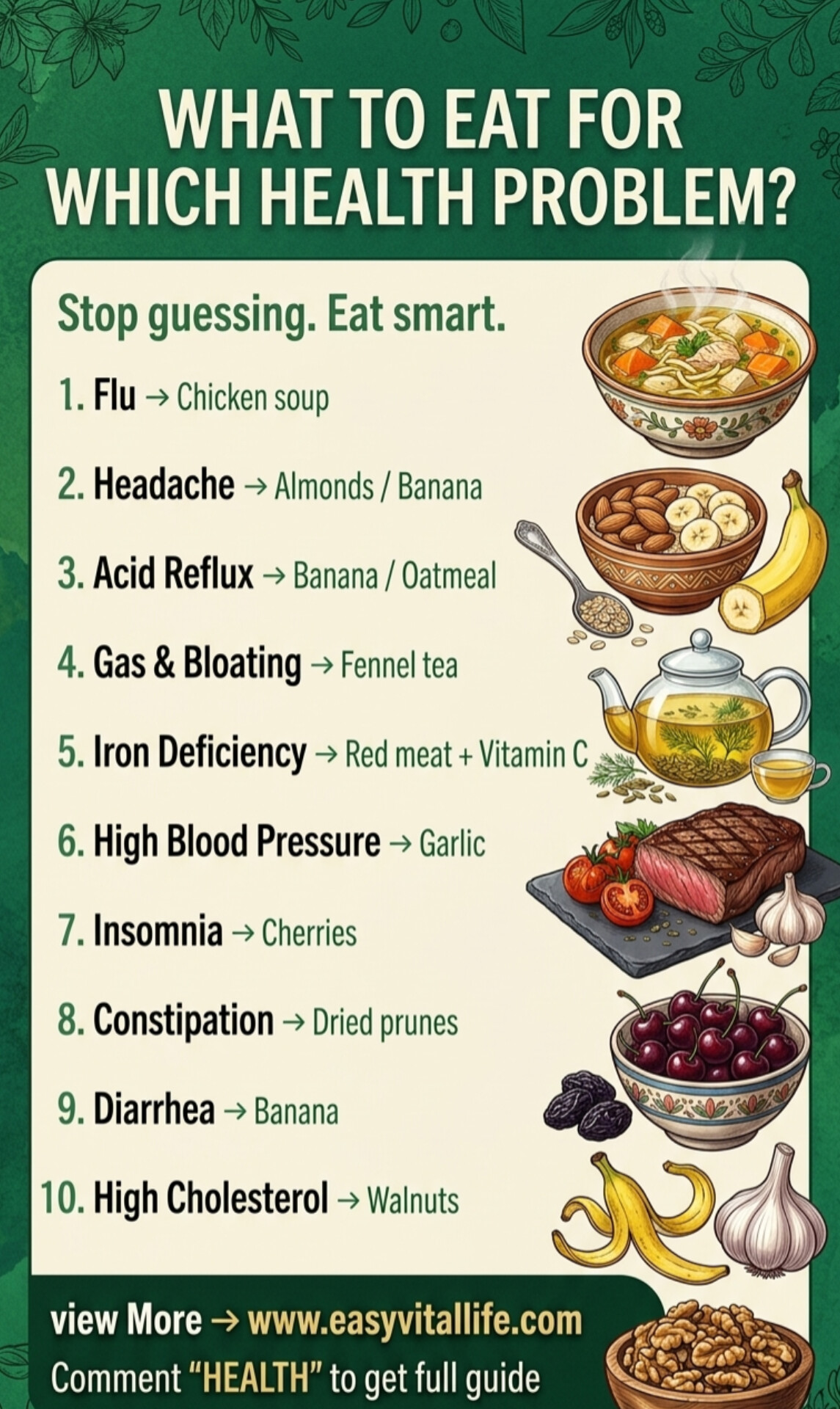
What to Eat for Which Health Problem: The Complete Food Medicine Guide to Targeted Nutritional Healing
Food is medicine, and understanding which foods address specific health problems empowers you to become your own healthcare provider through dietary choices…
Rather than relying solely on medication or accepting health problems as inevitable, strategic food selection can resolve or significantly improve ten common health conditions. This comprehensive guide explores what to eat for specific health problems, explaining the science behind why certain foods work and how to incorporate them into your daily routine for maximum therapeutic benefit.
The concept of food as medicine dates back thousands of years to ancient healing traditions that understood what modern science is only now confirming: specific foods contain bioactive compounds that directly address the underlying causes of health problems. Pharmaceutical medications isolate single compounds and deliver them in concentrated doses, while food provides those compounds alongside hundreds of supporting nutrients that enhance absorption and effectiveness. By eating strategically for your specific health concerns, you harness the full therapeutic power of whole foods.
Flu: Immune Support Through Chicken Soup
The common flu requires immune system support to fight viral infection and reduce symptom severity and duration. Chicken soup has been used as a cold and flu remedy for centuries, and modern research validates this traditional remedy through multiple mechanisms of action.
Chicken provides high-quality protein and amino acids necessary for antibody production and immune cell function. The amino acid cysteine in chicken is converted to glutathione, a powerful antioxidant that directly supports immune function and detoxification. Bone broth made from chicken bones provides collagen and gelatin that support intestinal health, which is intimately connected to immune function through the gut barrier and microbiome.
The vegetables in chicken soup including carrots, celery, and onions provide vitamins and phytonutrients supporting immune function. Garlic, when included, provides allicin, a compound with potent antiviral and antibacterial properties. The warm liquid supports hydration critical for immune function while the salt content supports electrolyte balance necessary for proper immune cell function.
The efficacy of chicken soup comes from the synergy of its components. No single ingredient provides complete immune support, but together they address multiple aspects of viral illness including immune activation, hydration, electrolyte balance, and nutritional support for immune cell production.
Consume chicken soup daily during flu symptoms, ensuring it includes high-quality chicken, vegetables, and ideally bone broth rather than commercial stock. Aim for one to two cups daily throughout illness duration for optimal immune support.
Headache: Mineral Support Through Almonds and Bananas
Headaches often result from mineral deficiencies, particularly magnesium and potassium, which regulate blood vessel constriction and nervous system function. Almonds provide exceptional magnesium content while bananas deliver potassium alongside vitamin B6, creating a synergistic headache-relief combination.
Magnesium deficiency causes blood vessel constriction and nervous system hyperexcitability, both contributing to headache development. Almonds contain approximately eighty milligrams of magnesium per one-ounce serving, providing approximately twenty percent of the daily requirement. Consuming almonds regularly prevents magnesium deficiency and reduces headache frequency and severity.
Bananas provide potassium supporting blood vessel dilation and proper nervous system function. The vitamin B6 in bananas supports serotonin production, a neurotransmitter involved in pain modulation and mood regulation. The combination of magnesium and potassium addresses the electrolyte imbalance underlying many headaches.
Additionally, almonds contain riboflavin, a B vitamin that supports energy production and reduces migraine frequency through multiple mechanisms. Regular almond and banana consumption provides comprehensive headache prevention.
Consume one ounce of almonds and one banana daily for headache prevention, or increase consumption during headache episodes for acute symptom relief. This simple combination provides comprehensive mineral and vitamin support addressing headache root causes.
Acid Reflux: PH Balancing Through Banana and Oatmeal
Acid reflux results from stomach acid irritating the esophageal lining, causing burning pain and discomfort. Bananas and oatmeal provide different mechanisms supporting acid reflux relief and prevention.
Bananas contain pectin, a type of fiber that absorbs excess stomach acid and protects the esophageal lining. The natural antacid properties of bananas have been documented in research comparing them to commercial antacid medications. Bananas also provide compounds that stimulate mucus production, creating a protective barrier against stomach acid.
Oatmeal absorbs stomach acid while providing complex carbohydrates that stabilize blood sugar and reduce inflammatory responses contributing to acid reflux. The beta-glucans in oatmeal provide anti-inflammatory benefits directly reducing esophageal inflammation. Oatmeal also supports healthy gut bacteria, which regulate stomach acid production through multiple mechanisms.
The combination of banana and oatmeal addresses acid reflux through multiple pathways including acid neutralization, protective barrier enhancement, and inflammation reduction. This combination works synergistically to resolve acid reflux rather than merely masking symptoms.
Consume one banana and one bowl of oatmeal daily for acid reflux prevention, or consume them immediately when acid reflux symptoms appear for rapid relief. This safe, natural approach addresses root causes rather than suppressing symptoms.
Gas and Bloating: Digestive Enzyme Support Through Fennel Tea
Gas and bloating result from inadequate digestion and fermentation of undigested food in the intestines. Fennel tea provides carminative compounds that reduce fermentation, support digestive enzyme activity, and relax intestinal smooth muscle.
Fennel contains anethole, a compound with potent carminative properties that reduce gas formation and promote digestive comfort. The volatile oils in fennel stimulate digestive enzyme production, improving food breakdown and reducing undigested material available for bacterial fermentation. Fennel also contains compounds that relax intestinal smooth muscle, reducing the cramping pain associated with bloating.
Research demonstrates that fennel tea reduces bloating and gas symptoms within hours of consumption. The efficacy applies to bloating from various causes including food intolerances, inadequate enzyme activity, and dysbiosis. Fennel is particularly effective when consumed after meals when digestive support is most needed.
Brew fennel tea by steeping one teaspoon of fennel seeds in hot water for five to ten minutes. Consume one cup after meals or whenever bloating symptoms occur. The pleasant licorice-like flavor makes fennel tea enjoyable to consume regularly.
Iron Deficiency: Bioavailability Enhancement Through Red Meat Plus Vitamin C
Iron deficiency causes fatigue, brain fog, and reduced oxygen delivery throughout the body. While iron supplementation is common, food-based iron combined with vitamin C provides superior absorption and utilization compared to supplements alone.
Red meat provides heme iron, which is highly bioavailable and absorbed efficiently by your digestive system. Heme iron absorption is not inhibited by calcium, coffee, or tea, unlike non-heme iron from plant sources. Red meat also provides vitamin B12 necessary for proper iron metabolism and energy production.
Vitamin C dramatically enhances iron absorption through multiple mechanisms including reducing iron to a form your body absorbs more readily and chelating iron to enhance absorption. Consuming red meat with vitamin C sources including tomatoes, bell peppers, or citrus fruits maximizes iron absorption.
The combination of red meat providing high-quality heme iron with vitamin C sources providing absorption enhancement creates optimal iron repletion. Research demonstrates this combination corrects iron deficiency faster than either component alone.
Consume red meat two to three times weekly with vitamin C sources, ensuring adequate consumption for several months to fully replete iron stores. This food-based approach provides superior results compared to supplement-based treatments.
High Blood Pressure: Cardiovascular Support Through Garlic
High blood pressure damages blood vessels and increases cardiovascular disease risk. Garlic provides multiple compounds reducing blood pressure through different mechanisms including blood vessel relaxation and electrolyte balance improvement.
Garlic contains allicin, a compound that relaxes blood vessel smooth muscle, reducing blood pressure and improving blood flow. Multiple research studies demonstrate that garlic reduces blood pressure by five to ten millimeters of mercury, providing benefits comparable to some pharmaceutical blood pressure medications without side effects.
Beyond allicin, garlic provides sulfur compounds that support cardiovascular health through anti-inflammatory and anticoagulant pathways. Garlic also improves cholesterol ratios and reduces arterial plaque formation, addressing upstream causes of hypertension.
Fresh garlic provides maximum therapeutic benefit compared to processed garlic or supplements. The pungent odor indicates the presence of active compounds. Consuming raw garlic is more potent than cooked garlic, though cooked garlic retains some benefits.
Consume one to two cloves of fresh raw garlic daily for blood pressure support, incorporated into meals for palatability. Consistency matters more than perfection, with regular consumption providing cumulative benefits over weeks and months.
Insomnia: Sleep-Supporting Melatonin Through Cherries
Insomnia results from inadequate melatonin production and nervous system activation preventing sleep onset and maintenance. Cherries provide natural melatonin supporting sleep quality and duration.
Tart cherries contain high concentrations of naturally occurring melatonin, the hormone regulating circadian rhythms and sleep-wake cycles. Research demonstrates that consuming tart cherry juice or whole cherries extends sleep duration and improves sleep quality through melatonin supplementation.
The anthocyanins in cherries provide anti-inflammatory benefits supporting nervous system relaxation. The magnesium in cherries further supports relaxation and sleep onset. The combination of melatonin, anthocyanins, and magnesium creates comprehensive sleep support.
Fresh tart cherries provide maximum benefit during growing season, while frozen cherries and tart cherry juice provide year-round access to sleep-supporting compounds. Consuming tart cherry juice or fresh cherries one to two hours before bedtime provides optimal sleep support.
Consume one to two cups of fresh cherries or eight ounces of tart cherry juice daily for sleep support, timing consumption to one to two hours before sleep for maximum effectiveness. This natural sleep support works synergistically with sleep hygiene practices for comprehensive insomnia resolution.
Constipation: Fiber-Rich Bowel Support Through Dried Prunes
Constipation results from inadequate fiber intake, insufficient water consumption, and reduced intestinal movement. Dried prunes provide multiple compounds supporting bowel function and regular elimination.
Prunes contain sorbitol, a natural sugar alcohol that draws water into the intestines and softens stool for easier passage. The high fiber content in prunes supports healthy bowel bacteria and increases stool bulk promoting elimination. The compounds in prunes also stimulate intestinal muscle contractions, promoting movement through the colon.
Research demonstrates that prunes are more effective than standard fiber supplements for constipation relief. The combination of sorbitol, fiber, and compounds stimulating intestinal movement makes prunes uniquely effective for constipation.
Consume five to ten dried prunes daily for constipation relief, or increase consumption acutely during constipation episodes. Ensure adequate water consumption accompanying prune consumption to maximize stool softening benefits. The natural approach avoids dependency on laxative medications while addressing constipation root causes.
Diarrhea: Electrolyte and Pectin Replacement Through Banana
Diarrhea causes fluid and electrolyte loss requiring replacement to prevent dehydration and mineral depletion. Bananas provide both electrolytes and compounds that firm stool and reduce diarrhea duration.
Bananas provide potassium, the primary electrolyte lost during diarrhea. The pectin in bananas absorbs excess water in the intestines, firming stool and reducing fluid loss. The resistant starch in unripe bananas provides prebiotic support to healthy gut bacteria, which control pathogenic bacteria causing diarrhea.
The carbohydrates in bananas provide energy when diarrhea prevents adequate nutrition. The easily digestible carbohydrates don’t stress the digestive system while still providing calories necessary for recovery.
Consume one to two bananas during diarrhea episodes, ideally consuming them alongside other electrolyte sources including coconut water or broths. Continue banana consumption throughout diarrhea duration for electrolyte replacement and stool firming support.
High Cholesterol: Cardiovascular Support Through Walnuts
High cholesterol contributes to atherosclerosis and cardiovascular disease. Walnuts provide multiple compounds reducing cholesterol and supporting cardiovascular health.
Walnuts contain alpha-linolenic acid, a plant-based omega-3 fatty acid that reduces inflammation and improves cholesterol ratios. Research demonstrates that consuming walnuts daily reduces LDL cholesterol while maintaining or increasing HDL cholesterol, improving the cardiovascular risk profile.
Walnuts also contain polyphenols, powerful antioxidants that protect against LDL oxidation, a key step in atherosclerosis development. The combination of omega-3 fatty acids and antioxidants makes walnuts exceptionally effective for cardiovascular health.
One ounce of walnuts daily provides cholesterol-lowering benefits while supporting overall cardiovascular health. Consistent consumption over weeks demonstrates measurable cholesterol improvements. Walnuts work synergistically with other heart-healthy foods for comprehensive cardiovascular support.
Practical Implementation for Health Problem-Specific Nutrition
Rather than waiting for health problems to develop, strategic incorporation of these foods prevents disease development. A health-optimized diet includes all ten foods regularly, ensuring your body receives comprehensive nutritional support addressing multiple health concerns simultaneously.
A health-optimized day might include bananas for breakfast supporting acid reflux prevention and headache prevention, almonds as a snack, garlic incorporated into dinner vegetables supporting blood pressure health, cherries as an evening snack supporting sleep, and walnuts incorporated into meals supporting cardiovascular health. This approach addresses multiple health concerns with delicious whole foods.
The synergistic benefits of eating strategically for health multiply when you address multiple systems simultaneously. Your cardiovascular system benefits from garlic and walnuts. Your digestive system benefits from bananas and oatmeal. Your nervous system benefits from almonds and cherries. Your blood benefits from red meat and vitamin C. This comprehensive approach creates health at every level.
The Power of Preventive Food Medicine
The most powerful application of food medicine is prevention. By consuming foods addressing your specific health concerns before serious disease develops, you prevent decades of health complications. Rather than accepting health problems as inevitable, recognize them as preventable through strategic nutrition.
Research demonstrates that people following preventive nutrition approaches have dramatically fewer health problems, require less medication, experience higher quality of life, and live longer than those consuming average diets. The investment in understanding food medicine pays dividends across your entire lifespan.
The foods discussed in this guide are readily available, affordable, and delicious. No exotic ingredients or complicated preparation is necessary. Simple incorporation of these foods into your regular meals provides comprehensive health benefits without disrupting your lifestyle.
Conclusion: Stop Guessing, Eat Smart
The flu responds to chicken soup providing immune support through quality protein and antiviral compounds. Headaches resolve through almonds and bananas providing magnesium and potassium. Acid reflux improves through banana and oatmeal providing acid buffering and protection. Gas and bloating resolve through fennel tea providing carminative relief. Iron deficiency corrects through red meat and vitamin C providing bioavailable iron. High blood pressure normalizes through garlic providing blood vessel relaxation. Insomnia improves through cherries providing natural melatonin. Constipation resolves through prunes providing fiber and natural laxative compounds. Diarrhea stops through bananas providing electrolyte replacement and stool firming. High cholesterol improves through walnuts providing omega-3s and antioxidants.
By understanding what to eat for which health problem, you transform your diet from a random collection of foods into targeted medicine addressing your specific health concerns. Stop guessing about what to eat and start eating smart for your health.