
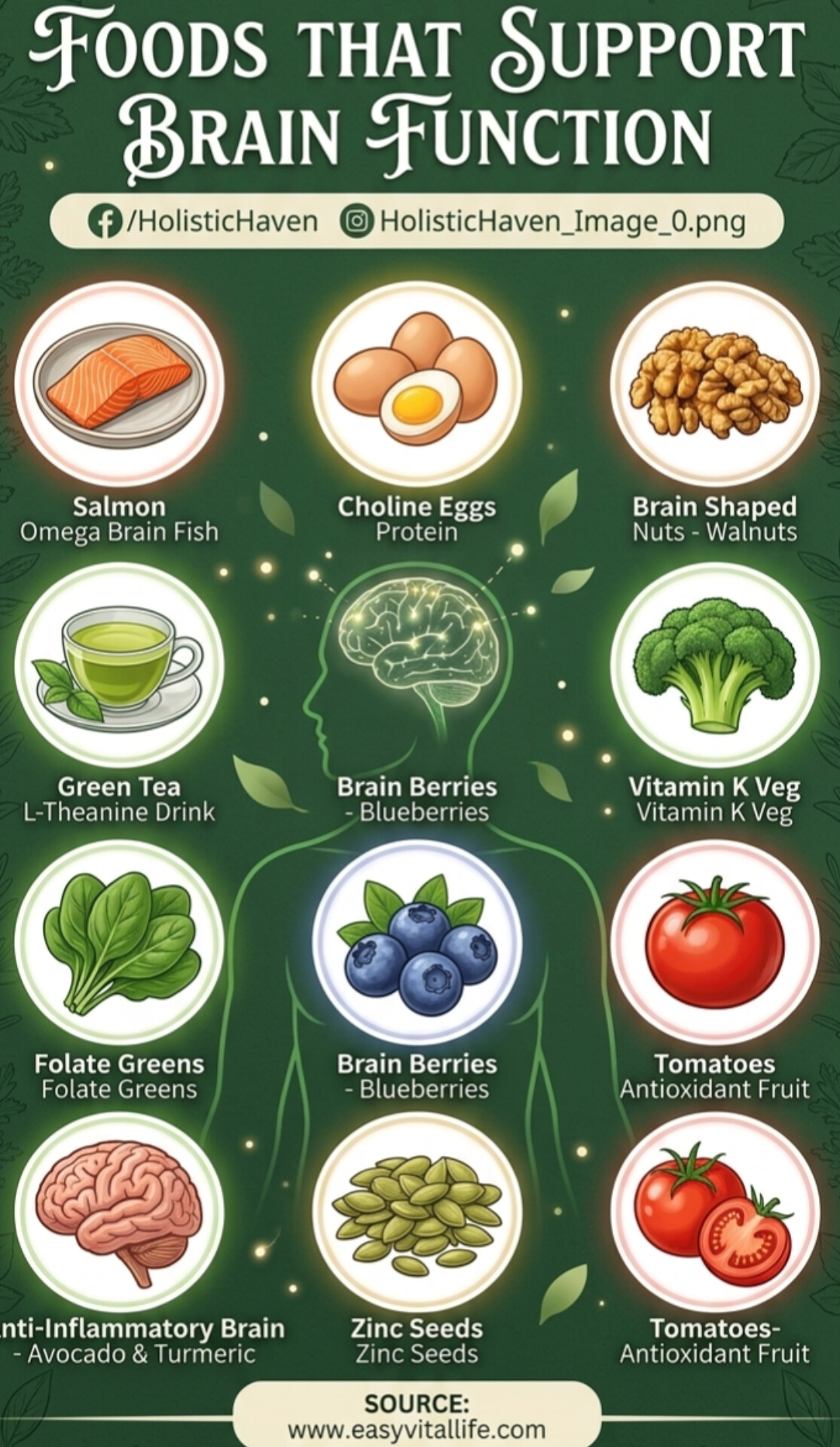
10 Foods That Support Brain Function for Better Memory, Focus, and Clarity
Your brain uses 20 percent of your body’s calories. What you eat directly affects how you think, focus, learn, and remember. Certain nutrients protect neurons, reduce brain inflammation, and support neurotransmitter production. ..
If you want sharper focus, better memory, and long term cognitive health, start with your plate. These 10 foods that support brain function are backed by neuroscience and easy to add to your daily diet.
Why Brain Food Matters for Mental Performance
Your brain is 60 percent fat and needs specific vitamins, antioxidants, and healthy fats to operate. A diet rich in brain foods can improve reaction time, delay cognitive decline, and stabilize mood. Poor nutrition is linked to brain fog, low motivation, and faster aging of brain cells. Food is fuel for your mind.
Top 10 Brain-Boosting Foods to Eat Weekly
1. Salmon: The Omega Brain Fish
Salmon and other fatty fish are the best source of DHA, an omega-3 fatty acid that makes up a large part of your brain’s gray matter. DHA builds cell membranes in brain cells and reduces inflammation. Regular intake is linked to better memory and lower risk of cognitive decline. Aim for 2 servings of wild-caught salmon per week.
2. Choline Eggs: Protein for Neurotransmitters
Egg yolks are one of the richest sources of choline. Your body uses choline to produce acetylcholine, a neurotransmitter vital for mood and memory. Eggs also provide high-quality protein and B vitamins that protect brain health. Pasture-raised eggs have the highest nutrient density.
3. Walnuts: Brain Shaped Nuts for a Reason
Walnuts look like tiny brains, and they support them too. They are high in DHA, a plant-based omega-3, plus antioxidants and vitamin E. Studies show walnuts improve cognitive test scores and reduce oxidative stress in the brain. A small handful daily is all you need.
4. Green Tea: L-Theanine for Calm Focus
Green tea contains L-theanine and a small amount of caffeine. This combination creates calm, alert focus without the jitters of coffee. L-theanine increases alpha brain waves, which are linked to creativity and relaxed concentration. Drink 1 to 2 cups in the morning or early afternoon.
5. Blueberries: The Original Brain Berries
Blueberries are packed with anthocyanins, antioxidants that cross the blood-brain barrier. They reduce inflammation, improve communication between brain cells, and may delay brain aging. Research links daily blueberry intake to better memory in older adults. Fresh or frozen both work.
6. Broccoli: Vitamin K for Cognitive Power
Broccoli is high in vitamin K, which is essential for forming sphingolipids. These are fats densely packed into brain cells. It also contains sulforaphane, a compound with anti-inflammatory and antioxidant effects that protect the brain. Steam it lightly to keep nutrients intact.
7. Spinach: Folate Greens for Mental Energy
Folate, or vitamin B9, in spinach helps regulate mood and cognitive function. Low folate is linked to depression and mental fatigue. Spinach also provides iron, which carries oxygen to the brain, plus lutein for eye and brain health. Add it to smoothies, eggs, or salads.
8. Tomatoes: Antioxidant Fruit for Brain Protection
Tomatoes are rich in lycopene, a powerful antioxidant that fights free radical damage in brain cells. Lycopene is better absorbed when tomatoes are cooked with a healthy fat like olive oil. This compound supports memory and may lower risk of stroke.
9. Avocado & Turmeric: Anti-Inflammatory Brain Duo
Avocados provide monounsaturated fats that support healthy blood flow to the brain. Better blood flow means better focus. Turmeric contains curcumin, which crosses the blood-brain barrier and has been shown to boost BDNF, a growth hormone for brain cells. Pair turmeric with black pepper for absorption.
10. Pumpkin Seeds: Zinc Seeds for Sharp Thinking
Pumpkin seeds are loaded with zinc, magnesium, iron, and copper. Zinc is crucial for nerve signaling. Magnesium supports learning and memory. Iron prevents brain fog from low oxygen. A quarter cup of pumpkin seeds makes a perfect brain-healthy snack.
How to Build a Brain-Healthy Meal Plan
You do not need all 10 foods every day. Try this simple formula: 1 fatty fish per week, eggs most mornings, a handful of walnuts or pumpkin seeds as a snack, leafy greens or broccoli with lunch or dinner, and berries or green tea daily.
Consistency is key. These foods work together to reduce inflammation, improve blood flow, and provide the raw materials your brain needs to thrive.
Important: This article shares general nutrition information to support cognitive wellness. It is not medical advice. If you have concerns about memory, focus, or neurological health, please consult a qualified healthcare professional.
Final Thoughts
Your brain is your most valuable asset. Feeding it the right nutrients is one of the best investments you can make. Add these 10 foods that support brain function to your weekly routine and experience clearer thinking, better focus, and long term mental vitality.